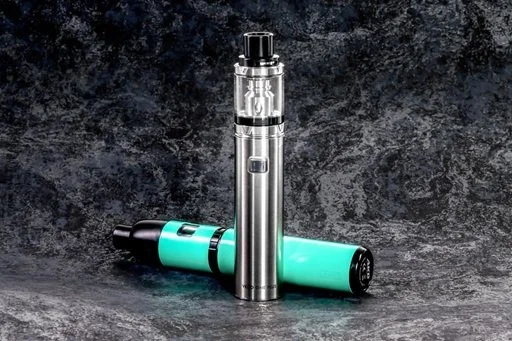
Vaping devices pictured in a file photograph. New laws introduced on 29 October 2026 prohibit the sale of all vaping products, including nicotine-free vapes, to under-18s across the UK. Photograph: Vaping360 / Wikimedia Commons
Major new restrictions on vaping and nicotine products have taken effect across the UK, with tougher rules for retailers, penalties of up to £2,500 and further tobacco laws approaching in January 2027. North East health experts have welcomed the changes amid growing concerns about the effects of vaping on children.
New laws banning the sale of all vaping products and non-medicinal nicotine products to under-18s have come into force today, Thursday 29 October 2026, in a significant move intended to protect children and teenagers from nicotine addiction and potential health problems.
The restrictions form part of the Tobacco and Vapes Act 2026, which received Royal Assent in April.
While selling nicotine-containing vapes to children was already against the law, the new measures extend the restrictions to nicotine-free vapes, nicotine pouches and other nicotine products.
They also make it illegal for adults to purchase these products on behalf of under-18s, while introducing tougher controls on promotional offers and vending machines.
The changes apply to shops and online retailers across the UK, including businesses serving Newcastle Great Park, Gosforth, Kingston Park and the wider Newcastle area.
For parents and carers, the legislation is another important development in the ongoing debate about the popularity of vaping among young people.
What has changed from 29 October?
Under the new legislation, retailers can no longer sell any vaping product or covered nicotine product to someone under 18.
Previously, age restrictions in England primarily applied to nicotine-containing vapes.
The latest changes close several gaps in the existing rules.
Products now covered include:
Nicotine-free vapes: Devices and liquids marketed as containing no nicotine.
Nicotine pouches: Small tobacco-free pouches placed between the gum and lip.
Nicotine strips: Dissolvable nicotine products placed on or beneath the tongue.
Nicotine pearls: Small dissolvable products designed to deliver nicotine.
Vape devices, pods and e-liquids: Including products without nicotine.
The restrictions also cover products containing synthetic nicotine.
The measures apply to both physical shops and online sales, meaning retailers must ensure that customers are old enough to buy these products.
Medically licensed nicotine replacement treatments are subject to separate medicines rules.
Adults can no longer buy vapes for children
One of the most significant changes affects adults who purchase vaping or nicotine products for someone under 18.
From today, it is an offence for anyone aged 18 or over to buy, or attempt to buy, a covered vaping or nicotine product on behalf of a child.
This is known as proxy purchasing.
For example, an adult cannot legally purchase a nicotine-free vape or nicotine pouch on behalf of a 16-year-old to get around the age restrictions.
The Government hopes the measure will make it harder for young people to obtain products through adults.
Importantly, the law primarily targets illegal sales and purchases made on behalf of children. It does not create a general criminal offence simply because a child possesses a vape.
Shops face fines of up to £2,500
Businesses that break the new rules could face financial penalties.
In England, Trading Standards officers can issue £200 fixed penalty notices for relevant offences, including selling vaping or nicotine products to under-18s.
More serious cases may be prosecuted, with fines of up to £2,500 following conviction.
The new powers are intended to help enforcement officers respond more quickly to businesses selling age-restricted products illegally.
Retailers must also comply with restrictions on certain promotional giveaways and substantial discounts intended to encourage sales.
Vending machines selling vaping and nicotine products are also prohibited.
Businesses that repeatedly breach relevant laws may face further restrictions on their ability to sell these products.
What does this mean for shops around Great Park?
Convenience stores, supermarkets, specialist vape retailers and other businesses selling covered products throughout Newcastle must comply with the updated requirements.
For businesses serving Great Park and surrounding communities, this means ensuring staff understand which products are age-restricted.
Retailers should check identification where necessary, including for nicotine-free vaping products that may previously have been treated differently.
Businesses also need to review relevant promotional offers, vending machines and online sales procedures.
The Government says additional funding is being provided to strengthen enforcement, including support for Trading Standards services.
Newcastle City Council's Trading Standards team already works with enforcement partners to tackle illegal tobacco and vaping products across the city.
Residents who suspect a business is selling age-restricted products to children can report concerns to Newcastle City Council.
Why are doctors concerned about children vaping?
The new rules follow growing medical concern about the potential consequences of vaping among children and teenagers.
In August 2026, the Royal College of Paediatrics and Child Health published a major review examining the effects of vaping on young people's health.
Researchers screened more than 14,000 articles and assessed evidence from 81 studies.
The findings identified consistent associations between youth vaping and poorer respiratory health.
Children and teenagers who vape were more likely to report:
Persistent coughing.
Wheezing and breathing difficulties.
Symptoms associated with bronchitis.
Worsening asthma symptoms.
Researchers also identified associations with nicotine dependence, subsequent cigarette smoking and other health outcomes.
Although these findings do not establish that vaping directly causes every reported condition, they strengthen concerns about exposing young people to vaping products.
The longer-term consequences remain uncertain because vaping is still a relatively recent phenomenon.
Newcastle doctor raises concerns about the risks
Newcastle-based paediatrician Dr Mike McKean, vice-president for policy at the Royal College of Paediatrics and Child Health, has been among those highlighting the need for greater protection.
Commenting on the research published in August, Dr McKean warned that while the full long-term effects of vaping on young people remain unknown, an increasingly concerning picture is emerging.
He welcomed the Tobacco and Vapes Act as an important development but cautioned that legislation alone would not resolve the problem.
Dr McKean argued that regulation must continue to adapt as vaping products and marketing practices evolve.
His concerns are particularly relevant to parents and schools because vaping products have become more familiar and accessible to young people over the past decade.
More than one million children have tried vaping
The Department of Health and Social Care estimates that more than one million children have tried vaping, with more than 370,000 vaping regularly.
These figures have contributed to concerns about the popularity of vaping among teenagers.
Some products have been marketed with brightly coloured packaging, sweet flavours and designs that critics argue may appeal to younger users.
Although nicotine-free products do not contain the addictive substance found in many conventional vapes, inhaling aerosol from a vaping device is not necessarily harmless.
The NHS advises that children and people who do not smoke should not vape.
For young people, nicotine is particularly concerning because it is addictive and can lead to dependence.
North East public health campaigners welcome the changes
North East tobacco control campaign group Fresh has welcomed the legislation.
Its director, Ailsa Rutter, has emphasised the importance of reducing children's access to nicotine products while maintaining support for adults who smoke and want to quit.
The group supports tighter controls on the marketing and promotion of products that may appeal to children.
Fresh has also backed the Government's longer-term ambition of creating a generation that will never legally be sold tobacco products.
The organisation's position reflects an important distinction in public health advice.
Although vaping is not risk-free, it is generally considered less harmful than smoking cigarettes and can help existing adult smokers quit.
However, health experts do not recommend vaping for children, teenagers or adults who do not already smoke.
What should parents in Newcastle Great Park know?
For families with children approaching secondary-school age, vaping can be a difficult subject to discuss.
Teenagers may encounter vaping through friendship groups, social media or advertising, even when they have never smoked cigarettes.
The new rules provide parents with a clearer legal framework when discussing which products young people can purchase.
Health professionals recommend having calm, factual conversations rather than relying solely on warnings or punishment.
Parents may find it helpful to explain that:
Nicotine is addictive. Regular use can create dependence, making it difficult to stop.
Nicotine-free does not mean risk-free. Vaping still involves inhaling substances into the lungs.
Not all vaping products are the same. Products can contain different ingredients and nicotine strengths.
The new rules apply to all covered vapes. A product labelled nicotine-free cannot legally be sold to someone under 18.
Support is available. Young people who have started vaping and are finding it difficult to stop can speak to a healthcare professional.
The NHS provides dedicated information for young people and parents through its Better Health website.
Schools and families can also play a role in helping children understand why the rules have been introduced.
A bigger change is coming in January 2027
The restrictions introduced today are part of a wider programme of tobacco regulation.
From 1 January 2027, another major provision of the Tobacco and Vapes Act will take effect.
It will become illegal to sell tobacco products, herbal smoking products or cigarette papers to anyone born on or after 1 January 2009.
Unlike the vaping rules, which retain a fixed minimum age of 18, the tobacco restrictions are based on a person's date of birth.
This means people born on or after 1 January 2009 will never legally be sold tobacco products, even after they turn 18.
For example, someone born in 2009 will not be permitted to purchase cigarettes legally when they reach 21, 30 or 40.
People born before 1 January 2009 will remain subject to the existing minimum age rules.
The Government describes this approach as creating a smokefree generation.
It is important to distinguish between the two sets of rules:
Vapes and nicotine products: Sales prohibited to everyone under 18.
Tobacco products from January 2027: Sales prohibited to anyone born on or after 1 January 2009, regardless of their future age.
The generational measure concerns the sale of tobacco. It does not automatically make smoking itself a criminal offence.
Further restrictions could follow
The Government is also working on additional measures affecting vaping products.
These include plans for wider advertising and sponsorship restrictions, alongside proposals involving product packaging, flavours and retail displays.
A comprehensive advertising and sponsorship ban is intended to come into force from June 2027.
Other proposals are still subject to the necessary regulatory processes, and not every provision of the Tobacco and Vapes Act takes effect immediately.
For businesses, it will therefore be important to keep up to date with future changes.
Where can families get help?
Parents or teenagers looking for reliable information about vaping can access advice from the NHS.
The NHS Better Health website explains the risks associated with youth vaping and provides guidance for families.
NHS advice for young people and parents:
https://www.nhs.uk/better-health/quit-smoking/help-others-quit/young-people-and-vaping/
For residents seeking help to stop smoking, the Newcastle Stop Smoking Plus Service provides free and confidential support to eligible people living or working in Newcastle.
The service supports adults and young people, with individually tailored assistance and nicotine replacement therapy where appropriate.
Newcastle Stop Smoking Plus Service
Telephone: 0191 269 1103
Email: newcastle.stopsmoking@cgl.org.uk
The service is based at Dobson House, Regent Centre, Newcastle.
Parents concerned about a child's vaping can also speak with their GP or another appropriate healthcare professional.
Reporting concerns about illegal sales
Anyone concerned about the illegal sale of vaping or nicotine products to children can contact Newcastle City Council's Trading Standards service.
Newcastle City Council Trading Standards
Telephone: 0191 278 7878
Email: tradingstandards@newcastle.gov.uk
Further information:
Residents should provide factual information about any suspected breaches rather than making unverified public accusations against individual businesses.
What happens next for Great Park?
For families living in Newcastle Great Park, the new legislation represents another step towards restricting children's access to vaping and nicotine products.
It also places additional responsibility on retailers to check customers' ages, train staff and comply with the latest rules.
The challenge for public health authorities will be ensuring that restrictions are enforced consistently while continuing to educate young people about the risks.
Newcastle doctors and North East campaigners have welcomed stronger protection for children, but have also emphasised that education, research and ongoing regulation remain essential.
With the next major change arriving on 1 January 2027, parents and businesses can expect further developments in the coming months.
The central message is clear: From 29 October 2026, no vaping product or covered nicotine product can legally be sold to someone under 18, whether it contains nicotine or not.
Published: Thursday 29 October 2026.
Sources: Department of Health and Social Care, Tobacco and Vapes Act 2026, Royal College of Paediatrics and Child Health, NHS, Fresh and Newcastle City Council Trading Standards.

