Great Park residents looking for a Black Friday getaway are being urged to check who they’re booking with. Criminals are using convincing websites and adverts, some enhanced by AI, to sell flights, accommodation and package holidays that don’t exist.
The UK Civil Aviation Authority (CAA) issued the national alert on Friday 20 November, a week before Black Friday on 27 November. The regulator said UK shoppers spent about £6.4 billion online across last year’s Black Friday sales period. Travellers are expected to spend around £500 million on Travel Tuesday alone, on 1 December this year, based on previous sales. The industry estimates booking volumes that day are about 3.5 times those of a typical day. UK customers lost £11 million to holiday fraud in 2024, according to City of London Police figures. Read the CAA warning.
Chief Superintendent Amanda Wolf, who leads Report Fraud operations at City of London Police, said criminals use websites, adverts and social media posts to make fake deals look genuine. Some copy photos from real accommodation listings. Victims may only discover the problem at the airport or when they arrive at their accommodation. See how holiday fraud works.
What to check before paying
Go to the airline, hotel or travel company’s website yourself. Check the address for misspellings, extra characters and unexpected endings. A padlock shows the connection is encrypted. Verify the business separately using independent reviews, contact details and accreditation records.
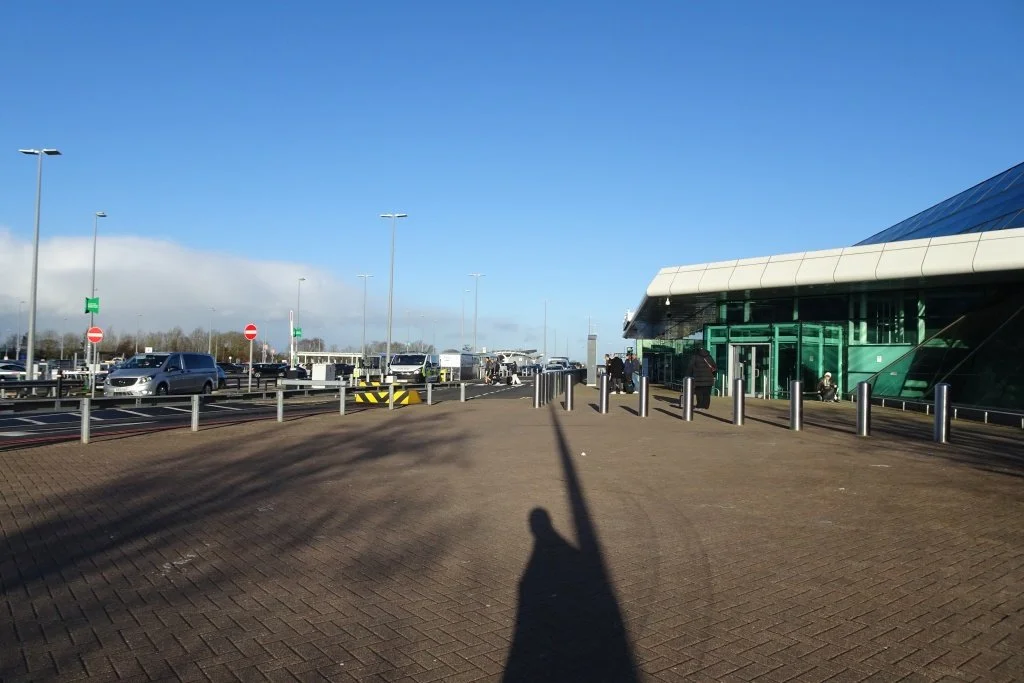
Compare the same dates, departure airport and what’s included with other providers. An unusually large price gap is a reason to pause, especially if an advert or caller is rushing you to pay. Newcastle International Airport lists its airline partners and official contact links. Check Newcastle Airport’s flight guide and airline links.
Skip links in unexpected emails, texts and social media adverts. Be wary of unsolicited calls offering flights, especially if you recently entered your number on a travel website. Pause if you’re asked to transfer money or pay into a personal account.
Read the booking and cancellation terms and check who is responsible for the booking. If something feels wrong, stop before sharing your details or sending payment. Read ATOL’s guide to spotting fake travel websites.
What ATOL, credit cards and travel insurance cover
CAA consumer director Tim Johnson urged travellers to check who provides the ATOL protection and confirm that it applies to their booking. Travel firms selling flight-inclusive packages in the UK must arrange ATOL protection. A travel agent can sell on behalf of a licensed company. Match the company name, licence number and website against the official register, then check that the ATOL certificate you receive when you pay lists what’s covered. Some flight-only bookings can also qualify. The scheme can protect the money you paid or help you get home if the licence holder stops trading. The CAA said its online checking service was used more than 35,000 times in the past year. Check an ATOL licence or see websites that have made false ATOL claims.
Paying by credit card can give you extra protection under Section 75 of the Consumer Credit Act if the cash price is more than £100 and no more than £30,000, even if you only put the deposit on the card. Eligibility depends on how you paid and who took the payment. If you paid by debit card, ask your bank whether chargeback is available. See the Financial Ombudsman’s guide to Section 75 and chargeback.
Take out suitable travel insurance when you book. Depending on the policy, it can cover cancellations, missed departures, medical emergencies and lost or stolen belongings. Check the limits and exclusions for the trip you’re taking. Read the CAA’s guide to booking protection and travel insurance.
What to do if you think you’ve been scammed
Contact your bank or card provider immediately if you’ve paid or shared financial details. Keep any receipts, messages and booking confirmations. In England, Wales and Northern Ireland, report the fraud online or call Report Fraud on 0300 123 2040. In Scotland, call Police Scotland on 101.
If you’ve only received a suspicious message, you can forward emails to report@phishing.gov.uk and forward scam texts to 7726 for free.