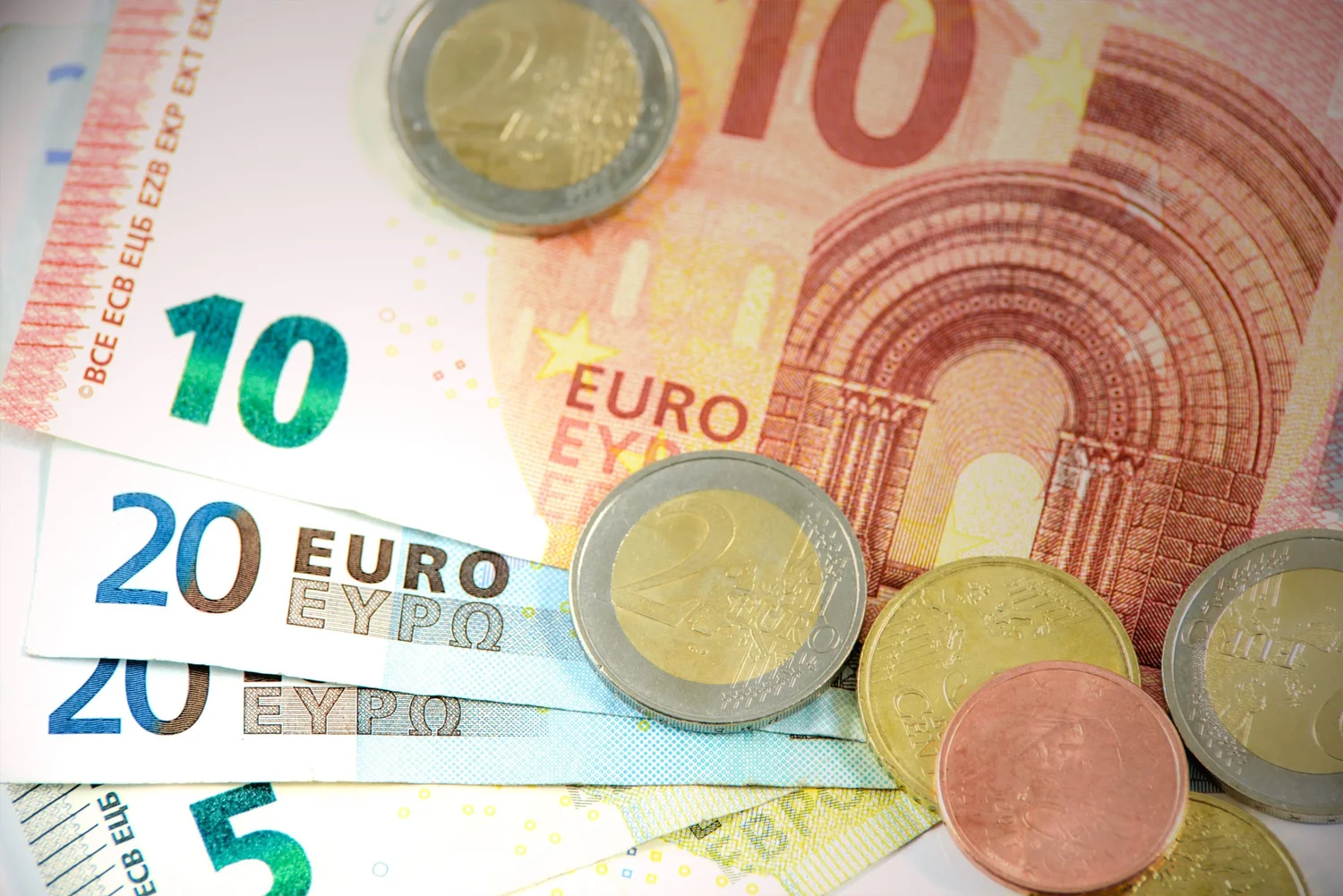
Britain would normally be expected to commit to adopting the euro if it applied to rejoin the European Union. Andy Burnham’s Brexit reset has brought that question back into debate, although the bill now before Parliament does not take Britain back into the EU or change its currency.
What the Brexit reset would do
The government introduced the European Partnership Bill on 26 November. Parliament lists its second reading for 7 December. The bill provides a way to implement agreements struck at the 20 November UK–EU summit, including deals on food and agricultural standards and linking emissions trading systems. A separate youth scheme would give eligible 18- to 31-year-olds a route to live, work or study abroad for up to three years. Parliament’s bill timetable · UK–EU summit factsheet
For Great Park families, that youth scheme could create opportunities for young adults who want to spend time in Europe. The food deal could reduce paperwork for businesses trading across the Channel. The government says the UK would share the costs of running the agreements, such as joint IT systems, without paying into the general EU budget under these three deals. It has ruled out EU, single-market and customs-union membership and a return to freedom of movement for the rest of this Parliament.
What rejoining would mean for the pound
Brussels officials have reportedly indicated that a UK bid to rejoin would come with an expectation of eventually adopting the euro and paying more towards the EU budget. Reports suggest Britain would have to show willingness to join the single currency at the outset, even if it later sought an exemption. These are reported indications of what might be discussed, with no accession terms agreed.
Under Article 49, the UK would have to apply again. Existing member states would have to agree unanimously, the European Parliament would have to consent and all parties would have to ratify the accession treaty. The previous UK euro opt-out would need to be negotiated afresh. Denmark has a treaty exemption. Whether Britain could secure one would depend on negotiations. EU accession rules · Council of the EU euro rules
Even with a commitment to adopt the euro, a change of currency would take a separate process. The EU checks inflation, public finances and long-term interest rates, alongside at least two years of exchange-rate stability in ERM II. If Britain ultimately switched, wages, prices and sterling balances would have to be converted under the eventual changeover rules, and the European Central Bank would set monetary policy for the currency area. Great Park residents would still use pounds under the current reset. Euro entry criteria
Could freedom of movement return?
Officials have reportedly suggested that some forms of closer integration could entail freedom of movement even outside full membership. Norway, for example, participates in the single market through the European Economic Area, which includes free movement of people. A time-limited youth scheme has a narrower scope. The terms of any future arrangement would depend on the model negotiated.
How this relates to the Leave vote
In the referendum on 23 June 2016, 51.9% of UK voters backed Leave. Newcastle upon Tyne voted narrowly the other way, with 65,405 for Remain and 63,598 for Leave. Those are citywide figures. Electoral Commission results
Rejoining would reverse the national decision to leave. For voters who saw Brexit as a mandate to control immigration and make rules independently, restoring free movement or accepting wider EU rules could also conflict with what they expected from that result. The ballot asked about membership and left the terms of future cooperation open. The government says the current reset can reduce trade barriers while keeping the UK outside the bloc.
Burnham told MPs that taking Britain back into the EU without another referendum would be unthinkable. That was a political commitment about a future decision. The bill before Parliament concerns implementation of agreements with the EU, and no new membership referendum has been announced.