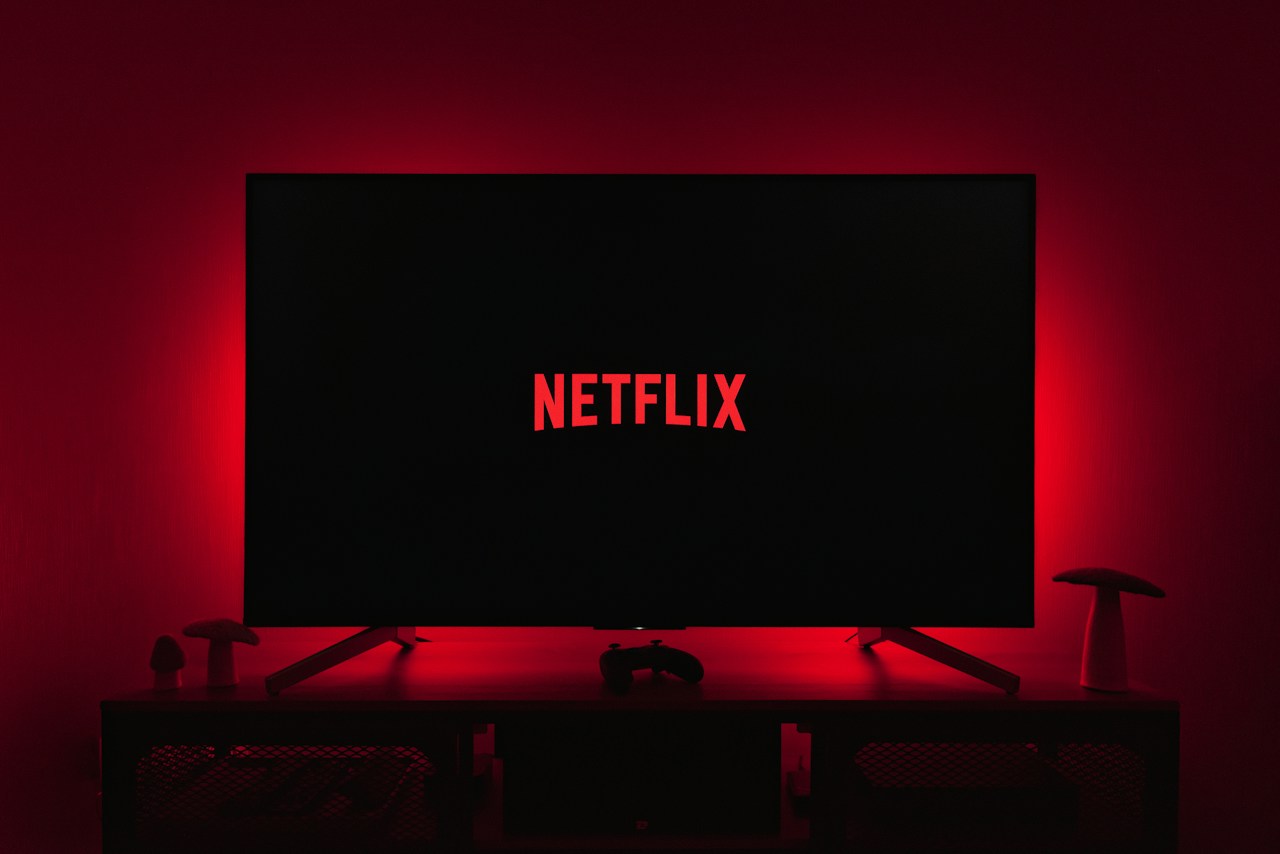
Great Park households that only watch Netflix and other on-demand services could be brought into the TV Licence system under reported plans. No final decision has been made, and the current rules still apply.
Culture Secretary Lisa Nandy is reportedly preparing to set out proposals before Christmas as part of the BBC Charter review. A change could take effect in 2028 at the earliest and could bring millions more households into the system, including people who never watch BBC programmes.
What could change
The reported plans would extend the TV Licence to households watching on-demand programmes on services such as Netflix, Amazon Prime Video, Disney+, Discovery+, Paramount+, NOW and HBO Max. The licence would be a household cost alongside streaming subscriptions. YouTube and social platforms such as Instagram and TikTok are reportedly outside the proposed expansion, as are BBC radio and the BBC News website.
A standard colour TV Licence currently costs £180 a year. That is about £15 a month and nearly twice the roughly £95 annual entry-level subscription cost cited in the reporting for Netflix or Amazon Prime. The £180 figure is today’s licence price. The government has yet to confirm the rate or terms of any future scheme.
Why ministers are looking at the fee
The Department for Culture, Media and Sport says licence fee reform is one of several options it is considering. The current BBC Royal Charter expires at the end of 2027. Ministers say the broadcaster needs sustainable funding as fewer households pay the fee. Licence fees from households and commercial premises brought in more than £3.8 billion last year, according to the reporting, which also links the fall in paying households to BBC job cuts numbering in the thousands.
Reset Tech, a public policy organisation, has reportedly projected that the share of UK households paying could fall from about 80% to 40% by 2038. A Whitehall source warned that inaction would threaten the broadcaster’s future. Read the government’s BBC Charter review documents.
Streaming industry figures warned that an extra household cost could prompt cancellations and lead companies to cut UK investment, putting jobs at risk. Conservative shadow culture secretary Rebecca Paul argued that the proposal would undermine Prime Minister Andy Burnham’s pledge to ease the cost of living.
A UK Parliament petition opposing an extension of the BBC licence fee to streaming services closes on 11 December 2026. It has passed 100,000 signatures, so the Petitions Committee will consider it for debate. In its response on 2 November, the government said it was reviewing feedback on the BBC Charter and had made no final decisions on future funding.
When Great Park households need a licence now
You already need a TV Licence to watch or record live TV on any channel or service, including live programmes on Netflix and Prime Video, or to watch or download BBC programmes on iPlayer. The rules apply on any device. Most households need just one licence for their address.
If you only watch on-demand programmes on Netflix or similar services and never use BBC iPlayer for BBC programmes or watch live TV, TV Licensing says you do not need a licence. The same distinction matters on YouTube, where ordinary clips and user-generated videos are different from watching a TV programme live. Check the current rules with TV Licensing.
If someone in your household is aged 75 or over and receives Pension Credit, or lives with a partner who receives it, see the Gazette’s guide to claiming a free TV Licence.