More than 350,000 people have signed a petition opposing the extension of the BBC licence fee to streaming services. For Great Park households that only watch on-demand services such as Netflix, the rules remain unchanged while ministers consider how to fund the BBC.
The UK Parliament petition, started by Alec Burns, had reached 352,256 signatures when checked on 29 November, more than three times the 100,000 threshold for consideration for a debate. The Petitions Committee will consider it for debate. The petition closes on 11 December 2026. Burns argues that households already facing cost-of-living pressures should be spared an additional charge.
The Department for Culture, Media and Sport says it wants a funding model that is sustainable and fair to those who pay. In its 2 November response to the petition, the government said it was considering feedback on the BBC Charter Review and had made no final decision on future funding. It expects to publish a White Paper before the end of the year. The Gazette’s earlier report on the Netflix licence fee proposals explains the background and the current rules.
What could change
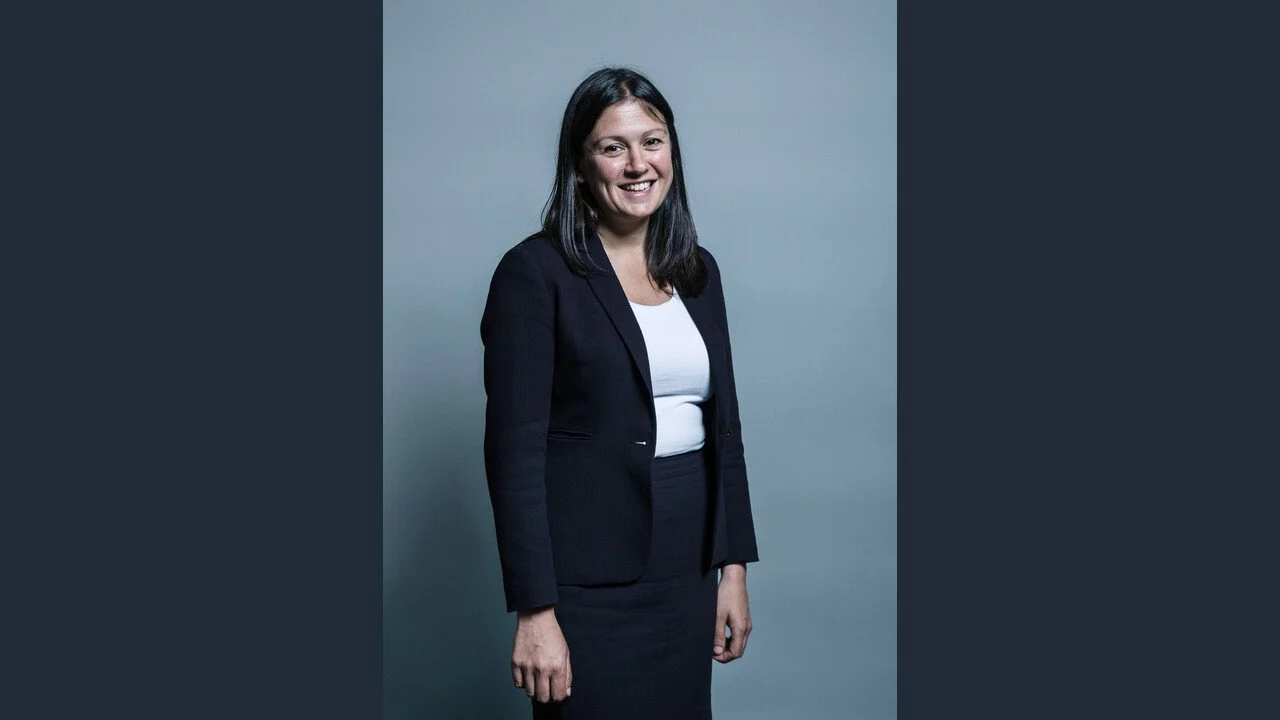
Culture Secretary Lisa Nandy is reportedly preparing to set out proposals before Christmas. The option under discussion could bring millions of households that no longer watch traditional television into the licence system from 2028 at the earliest, including people who never watch BBC programmes. Netflix, Amazon Prime Video, Disney+, Discovery+, NOW, Paramount+ and HBO Max have been named in reporting on the proposal.
A standard colour TV Licence currently costs £180 a year, or £15 a month. That is nearly twice the roughly £95 annual price cited for an entry-level Netflix package. Any licence charge would be in addition to streaming subscriptions. The government has yet to confirm which households or services would be covered or what rate would apply.
YouTube, Instagram, TikTok, BBC radio and the BBC News website are reportedly outside the proposed expansion. YouTube’s reported exclusion reflects its largely free, user-generated content. Ministers are also said to be weighing decriminalising non-payment, with no change expected at present.
Opposition and industry reaction
Conservative leader Kemi Badenoch argued that families facing difficult spending choices should be free to decide which services they pay for. She said the Charter review was a chance to examine what the BBC should provide when so much content is available elsewhere. She accused Labour of defaulting to a wider charge and argued that making more people pay would do little to persuade them to watch.
Reform UK leader Nigel Farage called the idea “extortion”. The party’s economics spokesman Robert Jenrick called it “absurd” to add a £180 bill for people who do not watch the BBC at a time when they could least afford it. Critics said the proposal undermined Prime Minister Andy Burnham’s emphasis on easing household costs. Streaming executives warned that customers could cancel subscriptions and companies could cut investment in the UK.
Why the BBC’s funding is under review
Ministers and the BBC say reform is needed as viewing habits change. The government says the number of licences in force has fallen by three million since 2017/18. Around four in five households have been paying in recent years. Long-term estimates vary. The Gazette previously reported a projection of about 40% by 2038, while reporting on Oliver & Ohlbaum’s modelling for Reset Tech put the figure at below a third by 2037/38 under the existing model.
A Whitehall source argued that the BBC needs a secure financial footing to survive. The BBC says it has consistently called for reform and wants a Charter that provides sufficient, sustainable and universal funding. Director-general Matt Brittin has described the existing funding model as a “busted flush”, and Nandy has called it unsustainable.
Reported cutbacks include sport and weather bulletins. Parliament’s Public Accounts Committee puts the deadline for the BBC’s additional £500 million cost-reduction programme at March 2029. MPs are due to question Brittin and other BBC executives on 30 November.
What a streaming levy could raise
Media consultancy Ampere Analysis estimates that extending the licence could bring in up to £1.6 billion more a year by 2032 if all liable households paid and the fee stayed on its current trajectory. Its survey found that 99% of UK internet users watched linear TV or used on-demand and streaming services each month, suggesting a broad levy could reach almost all internet users.
Ampere suggested that requiring viewers to validate a licence at sign-in could help enforce the charge across devices, including phones and tablets. It also modelled a £150 annual fee for a wider pool of households as a way to ease the cost for existing payers. Ministers are reportedly still discussing the price and have not announced a reduction.
Separate pressure on the broadcaster
A federal judge in Florida allowed US President Donald Trump’s $10 billion defamation claim against the BBC over an edited clip of his 6 January 2021 speech to proceed. The ruling did not decide the merits and the BBC has since challenged it. Trump previously objected to the UK’s digital services tax on US technology companies. Whether his administration would raise concerns about a streaming licence fee remains speculative.
What Great Park households need to know now
TV Licensing says you need a licence to watch or record live TV on any channel or service, including live TV programmes on streaming platforms, or to watch or download BBC programmes on iPlayer. Households that only watch on-demand Netflix or similar services and never watch live TV or use BBC iPlayer for BBC programmes do not need one under the current rules.