Andy Burnham says his UK–EU food deal will ease pressure on the weekly shop, but fresh produce suppliers warn that extra checks on imports from outside the EU could push some costs up. For Great Park shoppers, the question is which costs will reach the checkout.
Why some prices could rise
The Fresh Produce Consortium has warned that aligning with EU rules could bring more inspections and paperwork for fruit and vegetables sourced from outside the bloc. Its chief executive, Nigel Jenney, warned before the summit that adopting EU requirements for these shipments could add more than £300 million a year to industry costs. That estimate concerns supply-chain costs under the proposed rules. How much would reach the checkout is still unclear.
Fresh produce is particularly sensitive to delays. Extra inspection fees, storage and spoilage could make affected lines more expensive, including on supermarket shelves in Great Park. Defra’s import guidance sets out the implications for trade with both the EU and other countries and says further implementation details are to follow.
What the Government promised
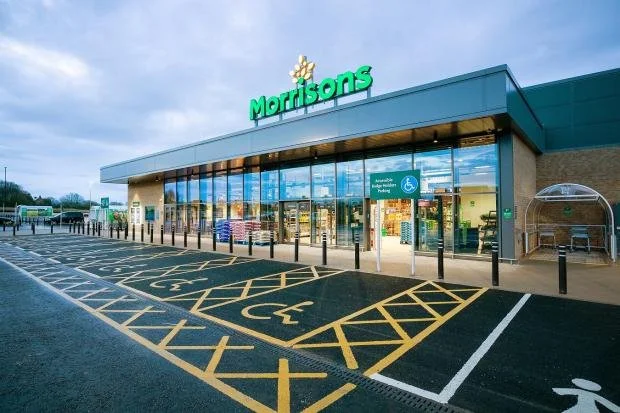
Speaking at a Morrisons warehouse in Sittingbourne, Kent, on 23 November, Burnham said staff showed him the paperwork they complete to send goods to the retailer’s Gibraltar store. He argued that removing such paperwork would lower costs and ease pressure on household shopping bills. First Secretary of State Louise Haigh said earlier that day that individual price cuts could not be guaranteed, pointing to other factors including the war in the Middle East.
The sanitary and phytosanitary agreement, known as SPS, is due to apply from 1 March 2028, subject to UK and EU procedures. The Government’s explainer says most checks and certificates for covered food, farm and plant goods moving between Great Britain and the EU will go. Export health certificates can cost up to £200 each, and the agreement is expected to reopen some EU markets for British producers.
Morrisons, Tesco, Asda and other retailers have welcomed the deal, and farmers have also backed easier trade. The British Retail Consortium said last week that it expected little near-term effect on shelf prices, because EU food trade accounts for only part of what shoppers pay. Energy, transport and other costs also feed into the bill. The Government’s estimate of up to £5.1 billion a year for the economy by 2040 is a GDP projection.
The Brexit trade-off
The deal involves ongoing alignment with EU rules in the areas it covers. The UK will have an early role in shaping rules under development, and businesses serving only the domestic market can still be affected. The case for retaining more regulatory freedom is strongest where a different British approach could keep trade with suppliers outside the EU cheaper or more flexible. The cost of that flexibility needs to be weighed against the savings from simpler trade with the EU.
In the Commons, Conservative leader Kemi Badenoch cited the Fresh Produce Consortium in arguing that the deal would raise food costs. She also argued that the separate agreement linking emissions trading could make energy bills harder to bring down and add to pressure on manufacturers. The Brussels package includes that carbon-market agreement and a reciprocal youth experience scheme alongside the food deal.
Burnham defended a structured dialogue with Brussels, said he wanted a fuller exchange of ideas and said he would set out options after the next summit in November 2027. He dismissed warnings from former prime ministers including Theresa May, Rishi Sunak and David Cameron about the direction of the relationship. Badenoch said his eagerness for a deal weakened his negotiating position and pointed to criticism from six former prime ministers, including Tony Blair.
What it means for Great Park
For shoppers at Morrisons in Great Park and elsewhere, higher prices on some imported produce are a credible risk if suppliers face new costs and pass them on. Savings on EU goods could work the other way. The deal gives shoppers no firm figure for their basket, and the clearest test will be which products change in price once the rules take effect.